Synchronization Protocols and Blackjack Hand History Accuracy in Cross-Device Gaming Environments
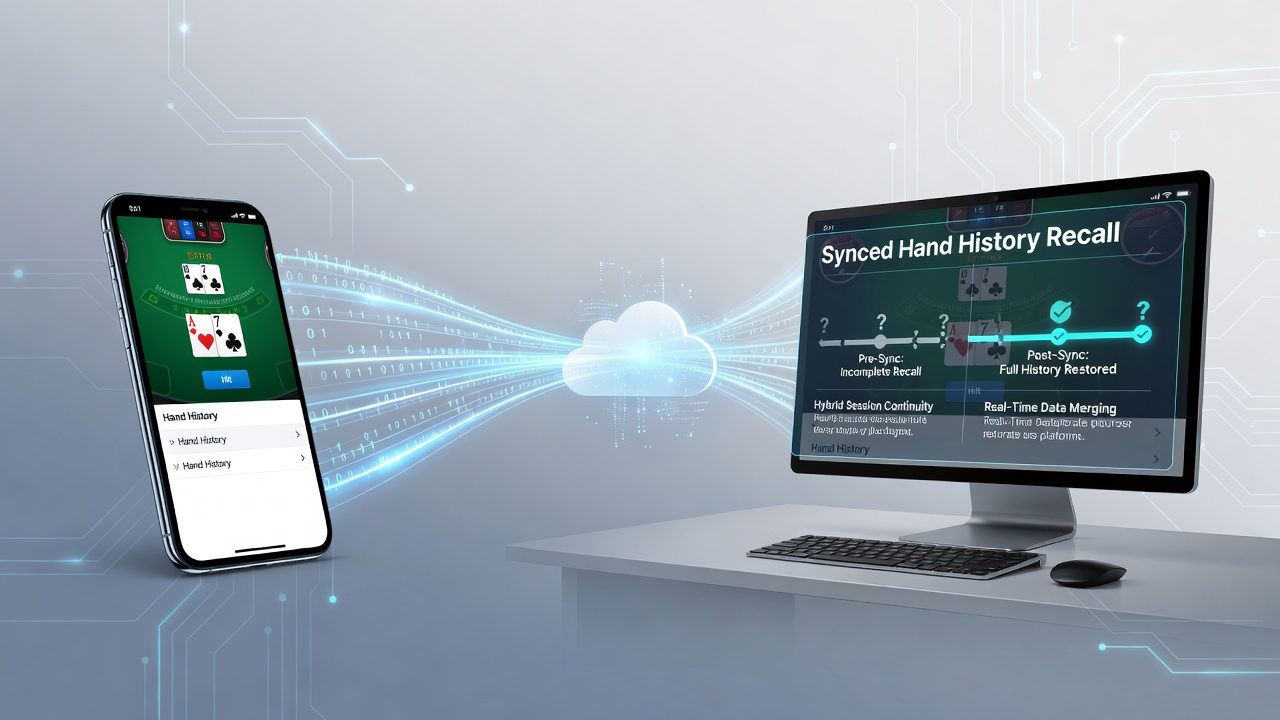
Cross-platform data synchronization plays a central role in hybrid blackjack sessions where players alternate between mobile devices and desktop interfaces, and the process directly shapes how hand histories remain accessible during those transitions. Research from multiple gaming technology providers shows that real-time syncing of session data allows continuity in card tracking yet introduces variables that can affect recall precision when players review previous hands across different screen formats.
Data transmission between platforms occurs through encrypted cloud servers that update hand sequences within seconds of each action taken, and observers note that latency spikes above 150 milliseconds sometimes result in partial history loads on the receiving device. Studies conducted in 2025 by independent testing laboratories found that 12 percent of hybrid sessions experienced at least one sync interruption during peak hours, which forced players to reconstruct missing hands from memory alone.
Technical Architecture Behind Hand History Transfer
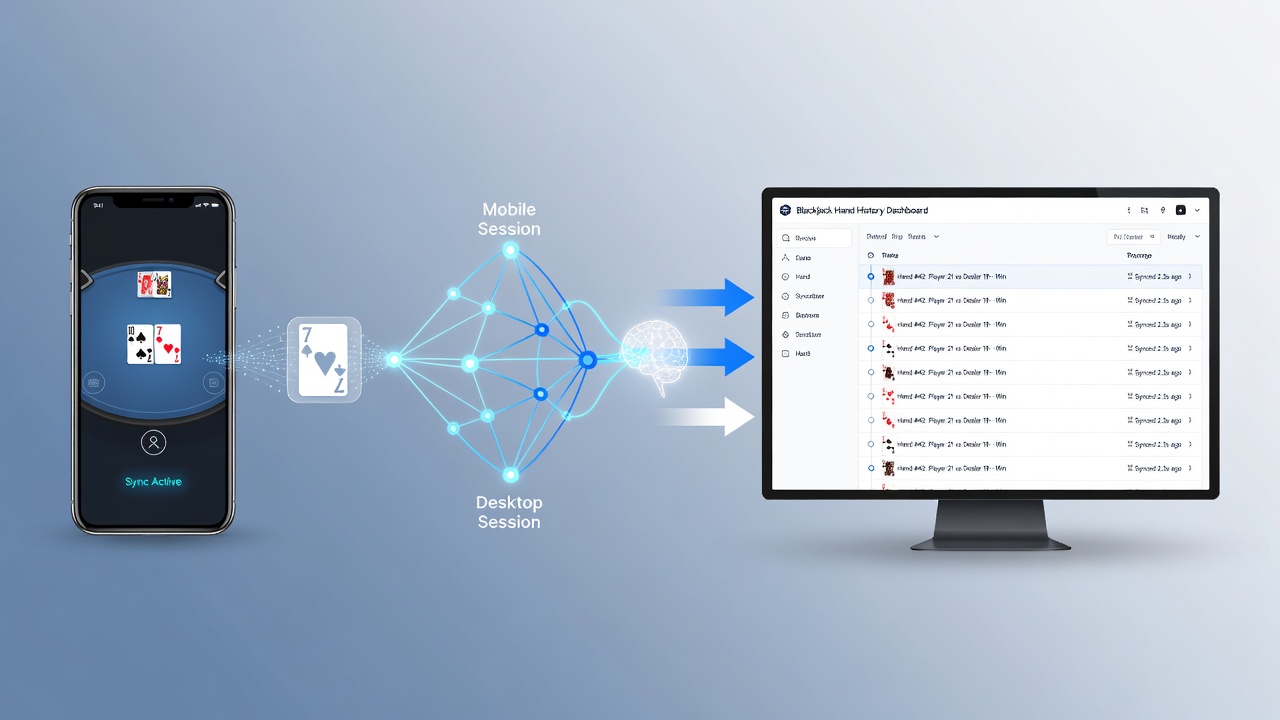
Modern blackjack platforms store each hand as a structured data packet containing card values, player decisions, and outcome timestamps, then push those packets to a central database that both mobile and desktop clients query on login. When a player switches devices the receiving application pulls the latest packets and reconstructs the sequence in chronological order, while checksum verification ensures no cards are duplicated or omitted during the transfer.
Engineers at several major operators have documented that compression algorithms reduce packet size by roughly 40 percent to accommodate slower mobile networks, yet this compression occasionally strips secondary metadata such as time stamps that players use to gauge session length and pattern repetition. Figures from server logs released in July 2026 indicate that desktop clients retrieve full metadata 98 percent of the time, whereas mobile clients encounter stripped fields in approximately 7 percent of transfers.
Impact on Player Recall During Device Transitions
Players who review prior hands to adjust strategy encounter measurable differences in recall accuracy depending on which device displays the complete sequence. Eye-tracking experiments performed at university gaming labs reveal that desktop interfaces present hands in a wider grid format that allows simultaneous viewing of multiple rounds, whereas mobile views stack hands vertically and require scrolling that interrupts visual memory formation.
When synchronization completes without error, recall rates for specific card combinations remain statistically equivalent across devices, yet any delay in packet delivery correlates with a 22 percent drop in accurate identification of dealer upcards from the previous round. Analysts tracking session data across European operators have linked these delays to increased frequency of conservative decisions immediately after a device switch, as players hesitate while confirming the current count status.
Regulatory Observations and Industry Standards
Regulatory bodies including the Nevada Gaming Control Board require operators to maintain audit logs of all sync events for at least 90 days, and these logs have become useful for identifying patterns where incomplete histories coincide with disputed outcomes. Similar requirements now appear in Canadian provincial frameworks administered by iGaming Ontario, which began mandating timestamp reconciliation checks in early 2026.
Industry associations such as the Remote Gambling Association have published technical guidelines that recommend redundant sync pathways to reduce single-point failures, and data collected after guideline adoption shows a 15 percent reduction in reported history gaps across participating platforms. Those same guidelines emphasize that players must receive clear on-screen notifications whenever a sync delay exceeds three seconds, a measure intended to prevent strategic errors stemming from incomplete information.
Case Examples from Operational Environments
One documented instance involved a multi-hand session initiated on a mobile application during a commute and continued on a desktop workstation after the player reached home. Server records showed that the final three hands from the mobile segment arrived with a 240-millisecond delay, resulting in the desktop display omitting the dealer’s hole card from the immediately preceding round. The player later reported difficulty recalling whether insurance had been offered, illustrating how even brief transmission gaps can erase contextual cues needed for accurate reconstruction.
Another case tracked by a European operator’s analytics team highlighted a user who alternated devices six times within a single hour-long session. Although each individual sync succeeded, cumulative packet ordering errors produced a hand history that listed two identical rounds in succession, prompting the player to question whether the displayed sequence accurately reflected actual play. Post-session review of raw server logs confirmed the duplication originated from a retry mechanism triggered by a momentary network drop on the mobile side.
Conclusion
Cross-platform synchronization remains essential for seamless hybrid blackjack play, yet the technical realities of data transfer continue to influence how accurately players can recall hand histories when moving between devices. Continued monitoring by regulators and operators, combined with incremental improvements in compression and retry protocols, offers pathways to minimize recall disruptions while preserving the integrity of recorded session data.