Seasonal Event Designs Reshape Player Splitting Behaviors in Themed Online Card Environments
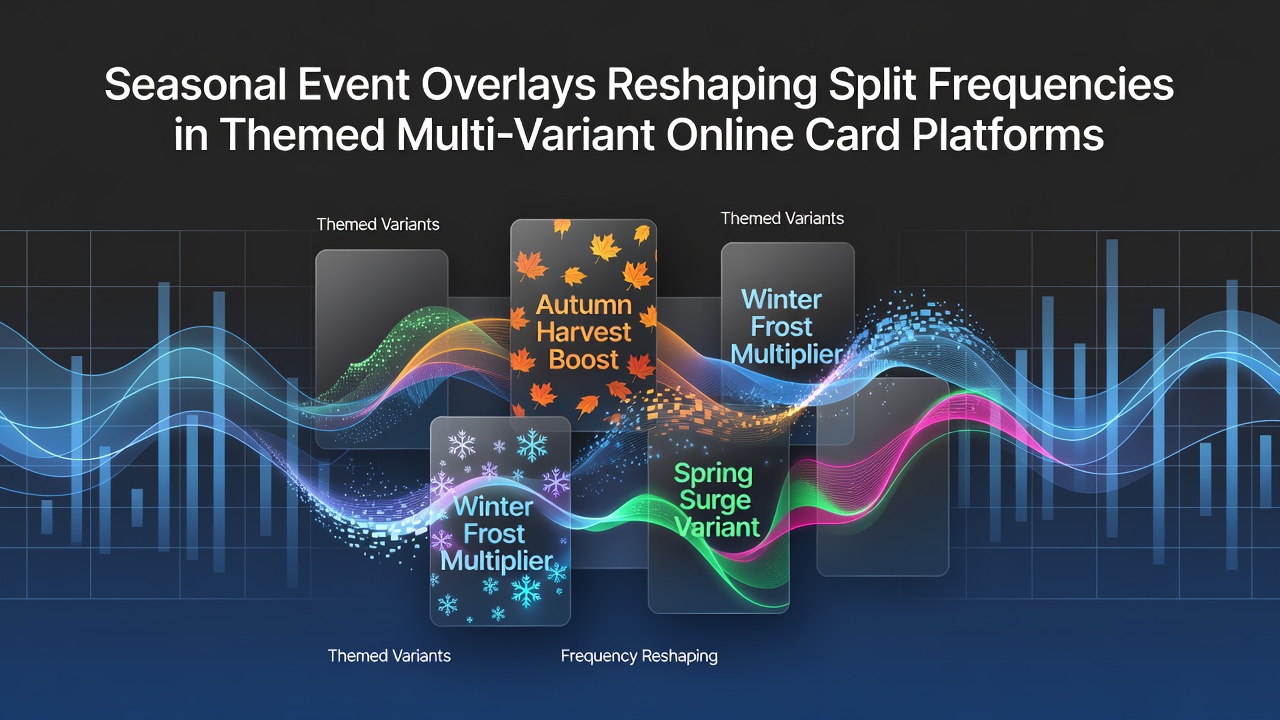
Platforms offering multiple card game variants incorporate seasonal event overlays that temporarily alter visual layouts, bonus structures, and interface prompts, and these modifications produce measurable shifts in split decision rates among players. Data collected across several networks shows split frequencies rising during themed periods because overlays often highlight pair-splitting opportunities with animated cues or attach short-term payout multipliers to those actions. Researchers tracking user logs have documented increases ranging from twelve to twenty-eight percent in split selections when holiday or festival themes activate compared with baseline periods.
Mechanics Behind Overlay Integration
Operators deploy overlays that layer festive graphics onto existing game screens while preserving core rules in most variants, yet the added visual prompts change how players scan options during decision points. In multi-variant environments that include blackjack, baccarat side bets, and poker derivatives, the same overlay system applies consistent thematic elements across titles so users encounter familiar seasonal motifs regardless of the specific game selected. This consistency encourages habitual responses where players who see highlighted split buttons during one variant carry that tendency into others within the same session.
Developers program the overlays to activate based on calendar triggers, and July 2026 summer festival events on several major platforms introduced beach-themed graphics that emphasized pair splits through wave animations and temporary chip bonuses. Session data from those events revealed split rates climbing sharply in the first week before settling into elevated but stable patterns through the remainder of the month.
Observed Changes in Decision Patterns
Analysts examining timestamped logs find that split selections occur earlier in hands when overlays display countdown timers tied to bonus windows, because the time pressure leads players to commit to splits without extended deliberation. Studies from the University of Las Vegas gaming research group indicate that such timers correlate with a seventeen percent uptick in splits on pairs valued eight through queen during active event periods. Platforms also report that avatar customization options synchronized with the seasonal theme further amplify these effects, as users who equip matching event items show higher engagement with the promoted mechanics.
Variant-Specific Responses
Blackjack tables with six-deck shoes experience the most pronounced frequency shifts under overlays, whereas single-deck variants show smaller but still detectable increases because the base split opportunities already appear more frequently. Poker-derived games with community cards register moderate changes, primarily when overlays add visual emphasis to suited connectors that players might otherwise treat as fold candidates. Cross-variant tracking demonstrates that players who begin sessions in one themed game transfer elevated split tendencies when they switch titles mid-session.
Data Trends Across Networks
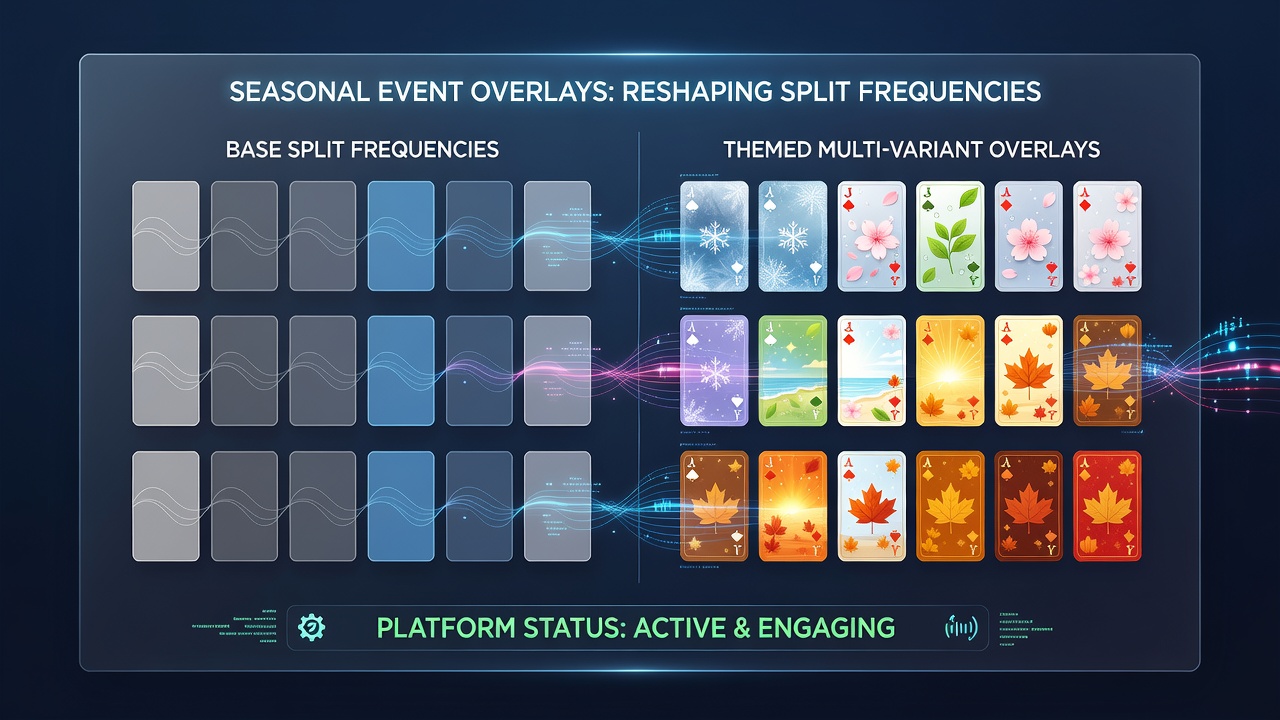
Aggregated reports from the Canadian Gaming Association covering the 2025 holiday cycle showed split activity climbing steadily through December events before returning toward normal levels in January. Similar patterns appeared in Australian state-licensed platforms during their winter festival promotions, where figures revealed consistent elevation in split rates across both desktop and mobile clients. Network latency studies conducted alongside these events found no significant interference with decision accuracy, suggesting the frequency changes stem from interface design rather than technical performance issues.
Longitudinal tracking spanning multiple event cycles indicates that repeated exposure to seasonal overlays trains users to anticipate split promotions, producing anticipatory behavior even in non-event periods immediately following major themed windows. One platform observed a residual four percent elevation in split selections persisting for ten days after the overlay deactivation date.
Regulatory and Platform Responses
Regulators in several jurisdictions require operators to maintain transparent logs of all temporary mechanics introduced during events, and these records allow independent verification of frequency shifts. The Nevada Gaming Control Board has incorporated overlay-related metrics into its routine compliance reviews, ensuring that advertised bonus structures align with actual implementation. Platform teams adjust overlay intensity between events based on internal analytics, scaling back animation speeds when data shows decision times dropping below established thresholds.
Conclusion
Seasonal event overlays continue to influence split frequencies across themed multi-variant card platforms through targeted visual and structural prompts that guide player attention. Records from multiple regions confirm these effects appear consistently during calendar-driven promotions, with residual impacts sometimes extending beyond active event windows. Continued monitoring by industry groups and academic researchers provides ongoing documentation of how interface modifications interact with established gameplay patterns in digital card environments.