San Francisco Court Grants Temporary Relief in Cardroom Regulations Dispute

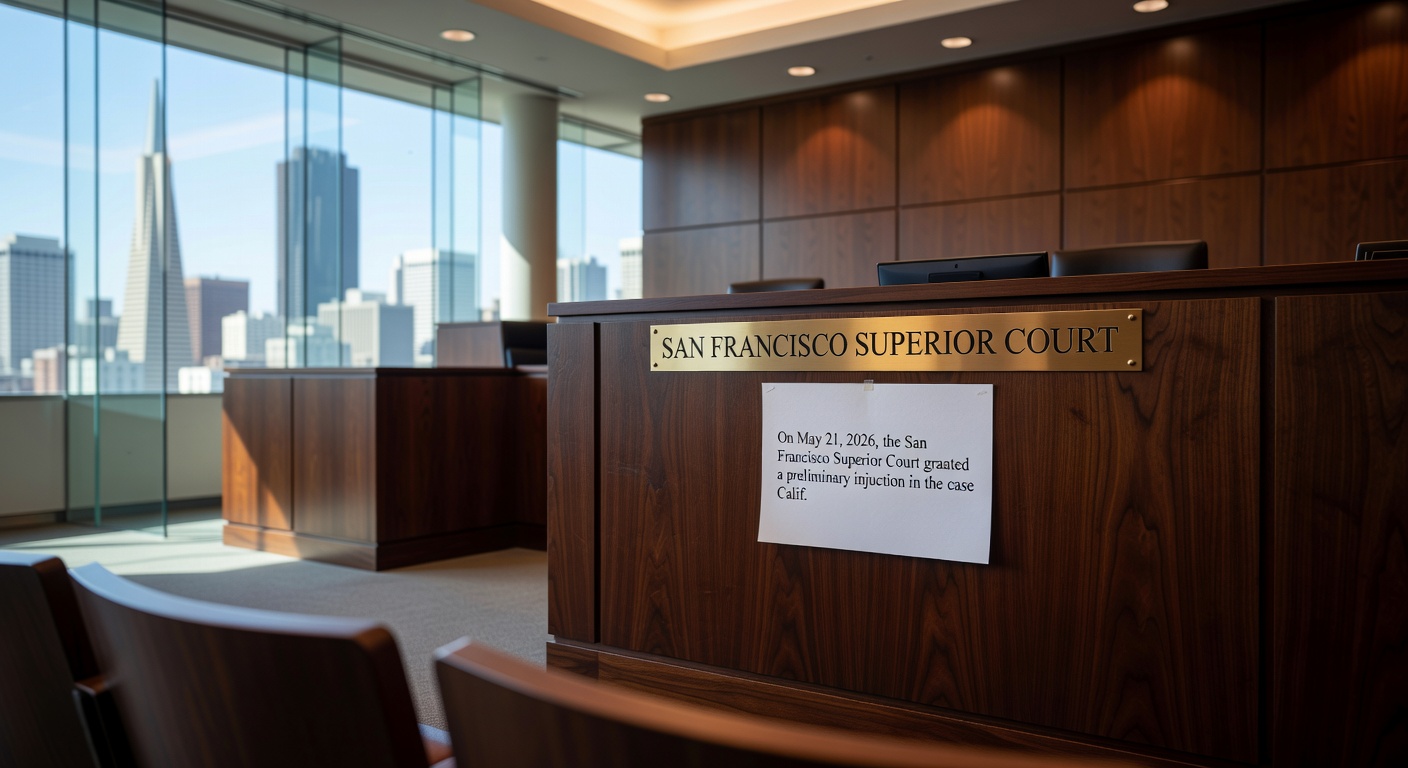
The San Francisco Superior Court issued a preliminary injunction on May 21, 2026, in the matter of California Gaming Association v. Bonta under case numbers CPF-26-519606 and CPF-26-519609, and this order halts enforcement of new state rules targeting blackjack-style games along with requirements for rotating player-dealer positions at non-tribal cardrooms for a period of 45 days. The decision suspends the implementation timeline that had been set earlier in the year, and it allows the litigation to proceed without immediate regulatory changes taking hold. Observers note that the injunction addresses rules approved in 2026 that were originally scheduled to begin on April 1, and those provisions sought to prohibit or limit games featuring elements such as reaching 21 or bust mechanics while also imposing stricter controls on third-party dealer arrangements.
Background on the Regulatory Framework
The California Department of Justice developed these regulations to address specific operational practices at cardrooms, and the measures focused on games resembling traditional blackjack as well as the positioning of dealers who rotate among players. Data from the approval process indicates that the rules aimed to standardize gameplay and reduce certain variations that had emerged in licensed facilities, while the associated implementation schedule provided a transition period leading up to the April 1 start date. The California Gaming Association filed the lawsuits to challenge these provisions, and the filings argued that the regulations exceeded existing statutory authority in several key areas.
Those who've studied similar disputes recognize that preliminary injunctions often arise when parties demonstrate potential irreparable harm during ongoing court proceedings, and in this instance the court determined that such conditions warranted a temporary pause. The 45-day suspension creates space for additional arguments and evidence presentation without the rules advancing in the interim, and this approach aligns with standard judicial practices in regulatory challenges.
Details of the Injunction Order
The order explicitly suspends enforcement actions tied to the new blackjack-style game restrictions and the player-dealer rotation mandates, and it extends this relief across all affected cardroom operations statewide. Court records show that the injunction maintains the status quo that existed prior to the planned April 1 effective date, which prevents the Department of Justice from applying penalties or requiring compliance adjustments during the litigation window. Legal representatives for both sides received notification of the ruling on the same day it was issued, and this timing allows the parties to prepare responses ahead of subsequent hearings.
What's interesting is how the case numbers CPF-26-519606 and CPF-26-519609 reflect two related filings that were consolidated for efficiency, and this procedural step consolidates arguments around the core regulatory elements. The temporary nature of the block means the rules remain on hold only until the 45-day period concludes or until further court direction alters the timeline, and observers point to the possibility of extensions if additional motions are filed.
Scope of the Challenged Regulations
The approved rules targeted specific game mechanics that mirror blackjack elements, including point totals of 21 and outcomes determined by exceeding that threshold, and they also introduced requirements for more frequent rotation of the player-dealer role to limit continuous third-party involvement. According to the official regulatory documentation, these changes were intended to align cardroom offerings more closely with statutory definitions of permitted activities, and the Department of Justice had outlined an enforcement framework that included compliance inspections starting in the second quarter of 2026. The injunction interrupts this framework entirely, and it preserves existing game configurations and dealer arrangements until the legal questions are resolved.
Facilities operating under the prior guidelines continue without interruption, and this continuity supports ongoing business operations while the court evaluates the underlying claims. Evidence presented during the injunction hearing reportedly included operational data from multiple cardrooms, and that information highlighted potential disruptions to staffing models and game variety if the rules had proceeded on schedule.
Next Steps in the Litigation
Following the May 21, 2026, ruling, the parties are expected to engage in further discovery and motion practice within the extended timeframe, and this process will determine whether the injunction remains in place or evolves into a longer-term stay. The court retains authority to modify or lift the order based on new submissions, and such adjustments could occur before the 45 days expire if circumstances warrant. Those who've tracked comparable cases in gaming regulation note that outcomes often hinge on interpretations of legislative intent behind existing cardroom statutes, and this matter follows that established pattern.
The Department of Justice maintains its position that the regulations fall within its oversight responsibilities, while the California Gaming Association continues to assert that teh provisions require legislative rather than administrative action. This divergence sets the stage for additional briefing and potential settlement discussions, and the temporary injunction provides a structured period for those developments to unfold without regulatory pressure.
Conclusion
The preliminary injunction granted on May 21, 2026, in California Gaming Association v. Bonta establishes a defined pause in the rollout of rules concerning blackjack-style games and dealer rotation at cardrooms, and it shifts focus squarely to the ongoing judicial review. This development keeps enforcement suspended through mid-July 2026 unless the court issues further orders, and it preserves operational conditions that predate the original April 1 target date. The case continues to move forward with both sides preparing arguments that will shape the final resolution of these regulatory questions.