Linking Avatar Wardrobe Choices to Hand Selection Patterns Across Networked Poker Platforms
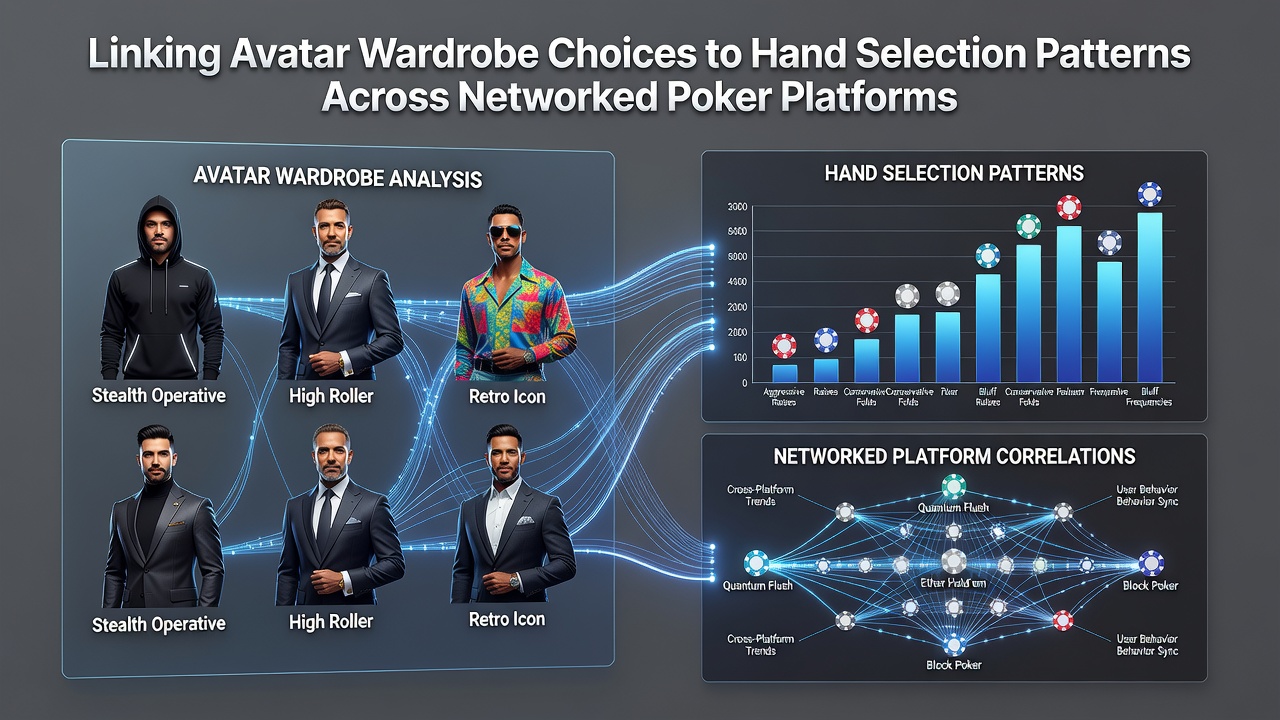 Platform operators have tracked avatar customization data alongside gameplay logs for several years, and researchers continue to examine whether wardrobe selections correlate with specific hand ranges in multiplayer online poker environments. Data aggregation across major networks reveals measurable associations between visual character presentations and betting frequencies during standard Texas Hold'em sessions. Analysts at networked sites compile anonymized player metrics that include avatar attributes such as clothing style, accessory choices, and color palettes. These attributes align with recorded actions like pre-flop raise percentages and continuation bet rates. One dataset compiled in early 2025 across North American servers indicated that avatars dressed in formal suits displayed lower aggression metrics compared with those featuring casual streetwear elements.
Data Collection Methods Across Platforms
Multiple operators employ backend systems that log both cosmetic selections and in-game decisions without storing personally identifiable information. University-affiliated teams in Canada have partnered with select platforms to apply statistical models that isolate wardrobe variables from other factors like session duration or stake level. The resulting correlations appear in aggregated reports rather than individual profiles.
Observers note that players who equip avatars with luxury-themed items such as watches or formal jackets tend to select tighter starting hands during early position play. Meanwhile avatars styled with athletic or leisure clothing show elevated frequencies of suited connector calls. These patterns hold across thousands of hands when researchers control for player experience indicators.
Regional Variations in Avatar-Behavior Links
European servers demonstrate similar trends yet with distinct accessory influences. Data shared through industry research channels points to avatars featuring national team jerseys correlating with wider three-bet ranges in specific micro-stakes pools. Australian operators report parallel findings where beach-themed attire aligns with increased bluff frequencies on river streets.
Statistical Approaches and Findings
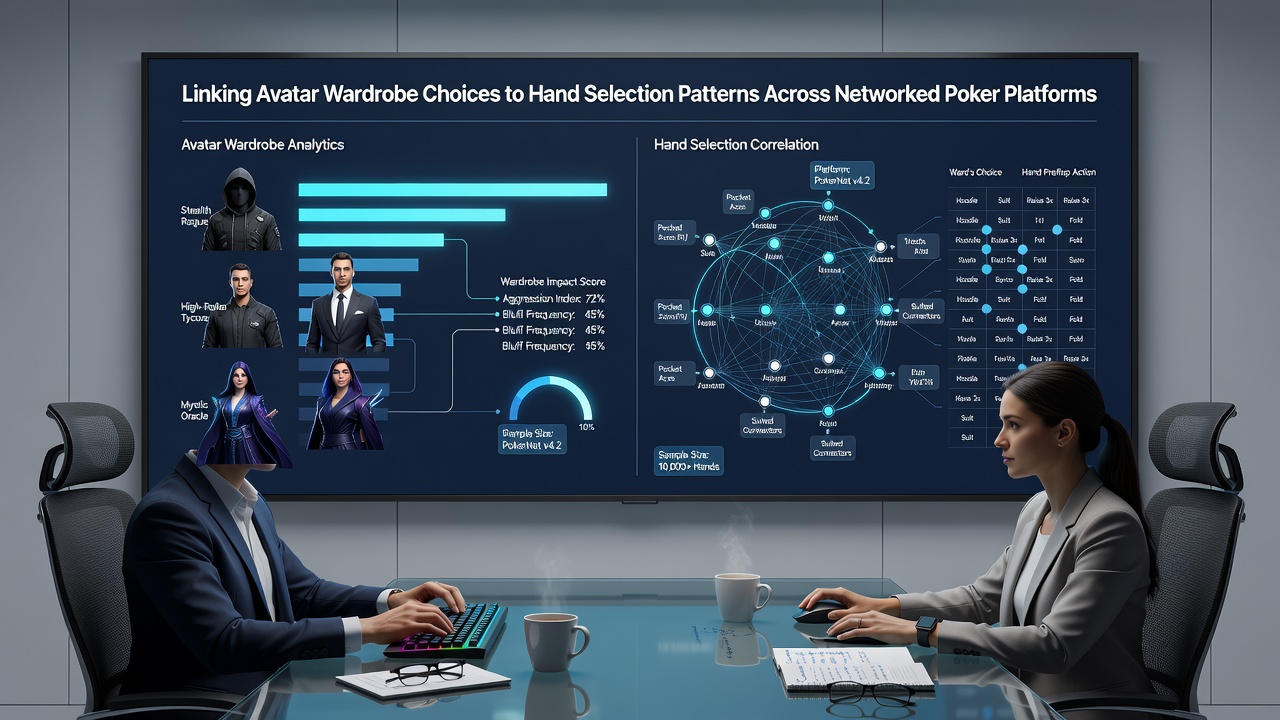
Researchers apply regression analysis to separate wardrobe effects from confounding variables such as time of day or table composition. A 2025 study coordinated through the International Center for Gaming Research examined over 2.3 million hands and identified statistically significant relationships between color saturation levels in avatar clothing and fold frequencies to continuation bets. Darker palette selections corresponded with higher fold rates while brighter tones aligned with more frequent calls.
Platform engineers have begun incorporating these observations into optional analytics dashboards that present aggregated trends. Players receive no direct feedback on their personal correlations, yet the public summaries help illustrate broader behavioral distributions across skill brackets.
Technological Integration and July 2026 Developments
By July 2026 several major networks updated their avatar systems to include dynamic clothing that changes based on recent hand outcomes. These updates allow operators to test whether real-time wardrobe shifts influence subsequent decision patterns. Early telemetry from these features shows modest adjustments in hand selection when avatars automatically adopt victory-themed outfits after strong sessions.
Cross-platform data sharing agreements facilitate larger sample sizes while maintaining regional regulatory compliance. Canadian and Australian research groups exchange anonymized trend summaries that highlight consistent wardrobe-to-range associations despite differing local player demographics.
Platform-Specific Implementations
Leading sites categorize avatar libraries into style groups that simplify analysis. Formal, casual, thematic, and minimalist categories each produce distinct hand distribution profiles in longitudinal tracking. Network administrators publish periodic transparency reports that summarize these category-level statistics for academic review.
Security protocols prevent direct linkage between wardrobe data and financial transaction records. This separation ensures compliance with privacy standards while still permitting behavioral research on visual presentation effects.
Conclusion
Networked poker platforms continue generating datasets that connect avatar wardrobe selections with measurable hand selection tendencies. Researchers apply controlled statistical methods to these records and share aggregated results through established academic and industry channels. Ongoing system updates scheduled through 2026 introduce new variables that further refine understanding of these visual-behavioral relationships across global player bases.