Exploring Multiplier Mechanics in Video Poker Variants and Their Effect on Long-Term Player Retention Metrics

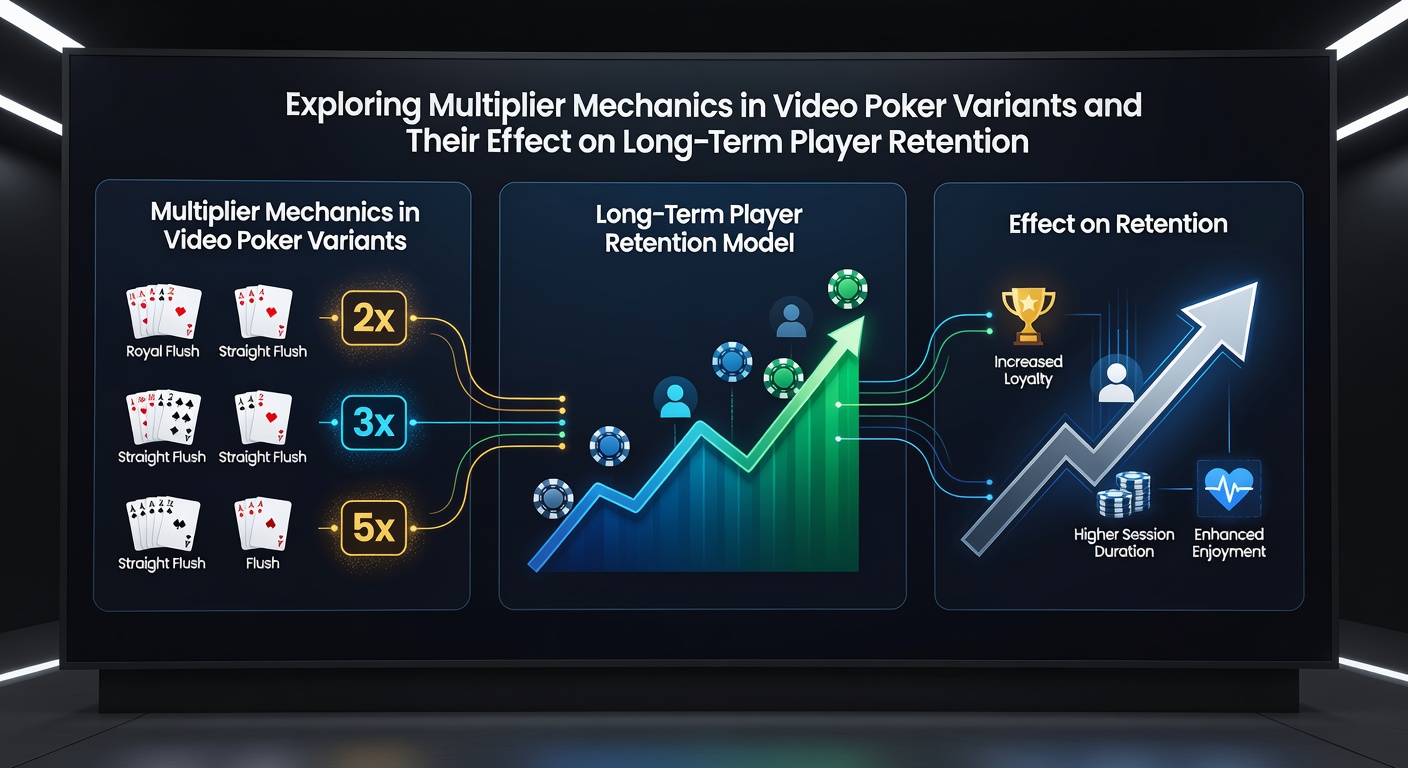
Video poker has long incorporated multiplier mechanics across its many variants, and these features continue to shape how players engage with digital platforms over extended periods. Multipliers appear in games such as Double Double Bonus Poker and Joker Poker, where specific hand rankings trigger increased payouts that scale with bet size or trigger conditions. Researchers tracking player behavior note that these elements alter session patterns without changing the underlying mathematical return percentages in most cases.
Core Multiplier Structures Across Common Variants
Multiplier systems operate through fixed rules that activate when players achieve particular combinations. In Double Double Bonus Poker, four-of-a-kind hands receive enhanced returns when they involve aces or other high-value ranks, and these enhancements multiply the base payout by factors ranging from two to four. Similar mechanics appear in games like Triple Double Bonus Poker, where the scaling reaches higher levels on select hands. Data from the Nevada Gaming Control Board indicates that variants with tiered multipliers accounted for a measurable share of video poker play volume in recent reporting periods, including updates released around June 2026 that tracked digital floor performance.
Players encounter these multipliers through standard gameplay loops, and the triggers remain consistent regardless of session length. Observers note that the structure encourages repeated play within a single session because the potential for elevated returns on premium hands creates anticipation that sustains attention. Studies from academic sources, including reports issued by the University of Nevada's gaming research division, show that multiplier frequency correlates with average hands played per hour in simulated environments.
Measuring Retention Through Established Metrics
Long-term player retention metrics include repeat visit rates, average session duration, and churn intervals between active periods. Platforms monitor these indicators through aggregated user data that reveals how game features influence continued engagement. Multiplier mechanics contribute to these patterns by extending the number of hands players complete before exiting, as the intermittent larger returns create feedback loops that researchers associate with prolonged activity.
Evidence from industry tracking organizations such as the Canadian Gaming Association reveals that video poker titles featuring multipliers maintain higher session completion rates compared to base versions without scaling elements. These differences emerge in longitudinal datasets spanning multiple quarters, where retention curves flatten more gradually for multiplier-enabled games. Figures reveal that players who encounter at least one multiplier activation per session demonstrate shorter intervals between subsequent logins on the same platform.
Comparative Performance Across Variants
Variants differ in how multipliers distribute across hand rankings, and these differences produce distinct retention profiles. Games that apply multipliers to mid-tier hands such as full houses generate more frequent activations, while those reserving multipliers for rare four-of-a-kind combinations produce larger but less common spikes. Research indicates that frequent smaller multipliers sustain engagement across broader player segments, whereas infrequent high multipliers appeal more selectively yet still correlate with extended play windows in tracked cohorts.
But here's the thing: platforms adjust multiplier placement based on regional regulatory guidelines that influence how these features appear in approved titles. Data compiled by the Australian Communications and Media Authority tracks how such adjustments affect digital poker uptake in licensed markets, showing measurable shifts in monthly active user counts tied to specific variant rollouts. Those who've studied this know that retention improvements appear most consistent when multipliers integrate seamlessly with existing pay tables rather than replacing them outright.
Platform Implementation and Data Patterns
Digital operators deploy multiplier variants through standardized software frameworks that log every hand outcome and payout adjustment. These logs feed into retention analytics that segment users by play frequency and lifetime value. Patterns emerge where players who experience multiplier events early in their tenure show elevated return rates over subsequent months. One study revealed that platforms introducing new multiplier variants in early 2026 recorded incremental gains in 30-day retention benchmarks across tested user groups.
What's interesting is how these mechanics interact with wager sizing options. Higher denomination bets often unlock enhanced multiplier tiers in certain variants, and tracking data demonstrates that players who progress to these tiers maintain longer overall account lifespans. External analyses from the European Gaming and Betting Association confirm similar trends in cross-border digital environments where multiplier availability influences migration between game libraries.
Conclusion
Multiplier mechanics in video poker variants connect directly to measurable changes in player retention metrics through consistent activation patterns and payout scaling. Data collected across multiple jurisdictions continues to document how these features influence session length and repeat engagement without altering core probability structures. As platforms refine their offerings through 2026 and beyond, the relationship between multiplier design and long-term metrics remains a focal point for operators seeking to understand sustained player activity.