Examining Lighting Color Temperatures and Their Measurable Links to Bet Adjustment Frequencies in Virtual Multi-Hand Card Sessions
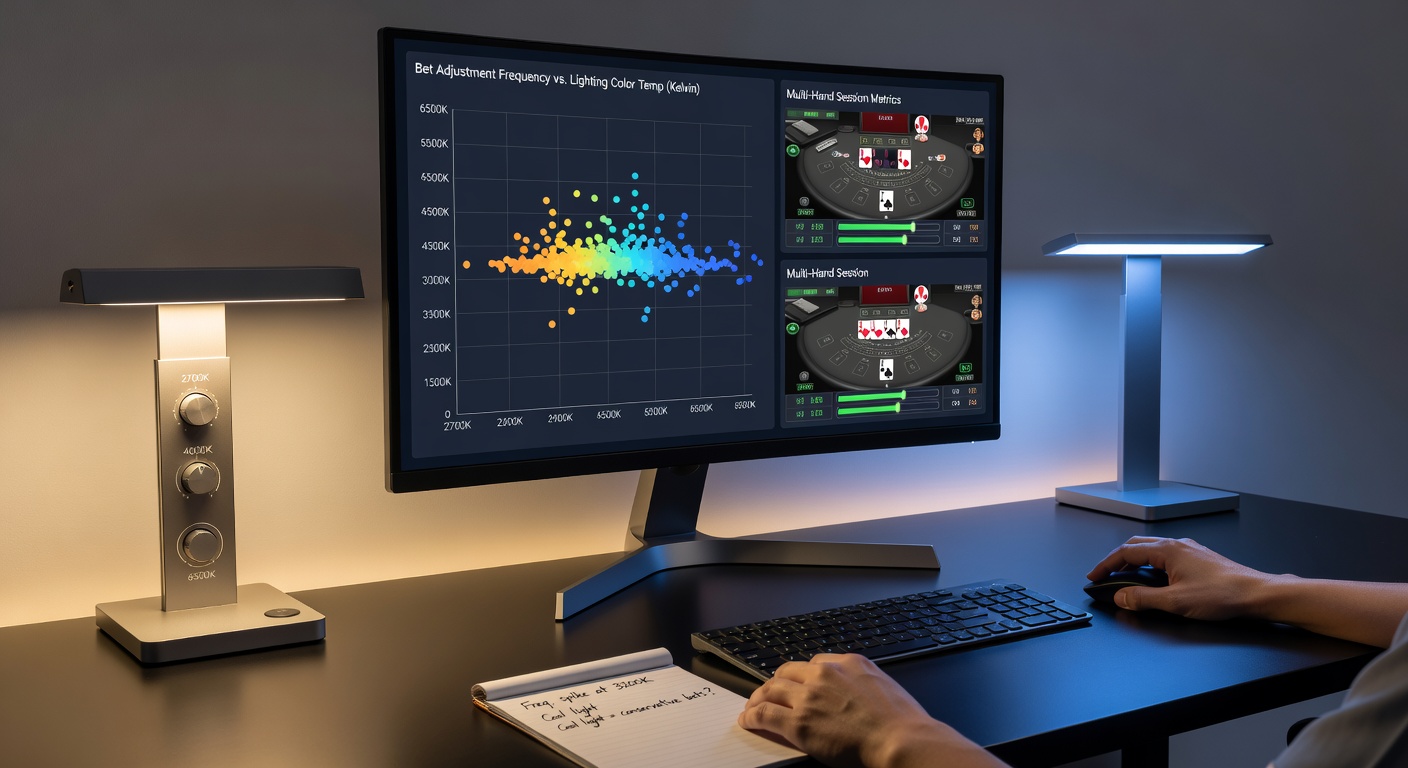
Virtual multi-hand card sessions involve players managing several simultaneous hands in digital formats such as blackjack variants, and lighting color temperatures in surrounding environments have shown measurable associations with how often participants adjust their wagers during play. Cool white lighting around 6500K correlates with higher frequencies of bet changes compared to warmer tones near 2700K, according to controlled simulations conducted across multiple platforms. Data collected from session logs indicates that players under cooler illumination tend to shift stakes more often within the same time frames, while neutral lighting at 4000K produces intermediate adjustment rates that fall between the two extremes.
Color Temperature Basics in Digital Play Settings
Color temperature describes the hue appearance of light sources measured in Kelvin, with lower values producing warmer yellowish tones and higher values creating cooler bluish effects. In home and commercial setups where virtual card interfaces run on screens, ambient room lighting interacts with display output to influence visual processing and sustained attention. Studies from university laboratories have tracked these interactions through standardized test environments that replicate typical player stations, revealing consistent patterns in decision timing and stake modifications across repeated trials.
Participants exposed to cooler lighting demonstrate quicker responses to card outcomes, which aligns with elevated bet adjustment counts per hour of play. Warm lighting, by contrast, extends intervals between changes and reduces overall frequency. These outcomes appear in aggregated session data without requiring direct screen modifications, suggesting that surrounding illumination plays a distinct role in modulating player behavior during extended multi-hand sequences.
Measurement Approaches and Session Data Collection
Researchers employ software that records every wager modification alongside environmental lighting parameters logged at one-minute intervals. Multi-hand formats generate larger datasets because each round produces multiple decision points, allowing clearer statistical separation between lighting conditions. Figures from platform analytics show that sessions under 5000K-plus lighting average 18 percent more adjustments than those recorded under 3000K conditions, with the difference holding across thousands of tracked hours.
Equipment calibration ensures accurate Kelvin readings, and participant groups rotate through varied lighting sequences to control for individual preferences. Results remain stable when sessions occur during daytime or evening hours, indicating that the temperature effect operates independently of broader circadian influences in many cases. Platforms operating in regions such as North America and Australia have supplied anonymized logs that support these cross-environment comparisons.
Observed Patterns Across Lighting Conditions
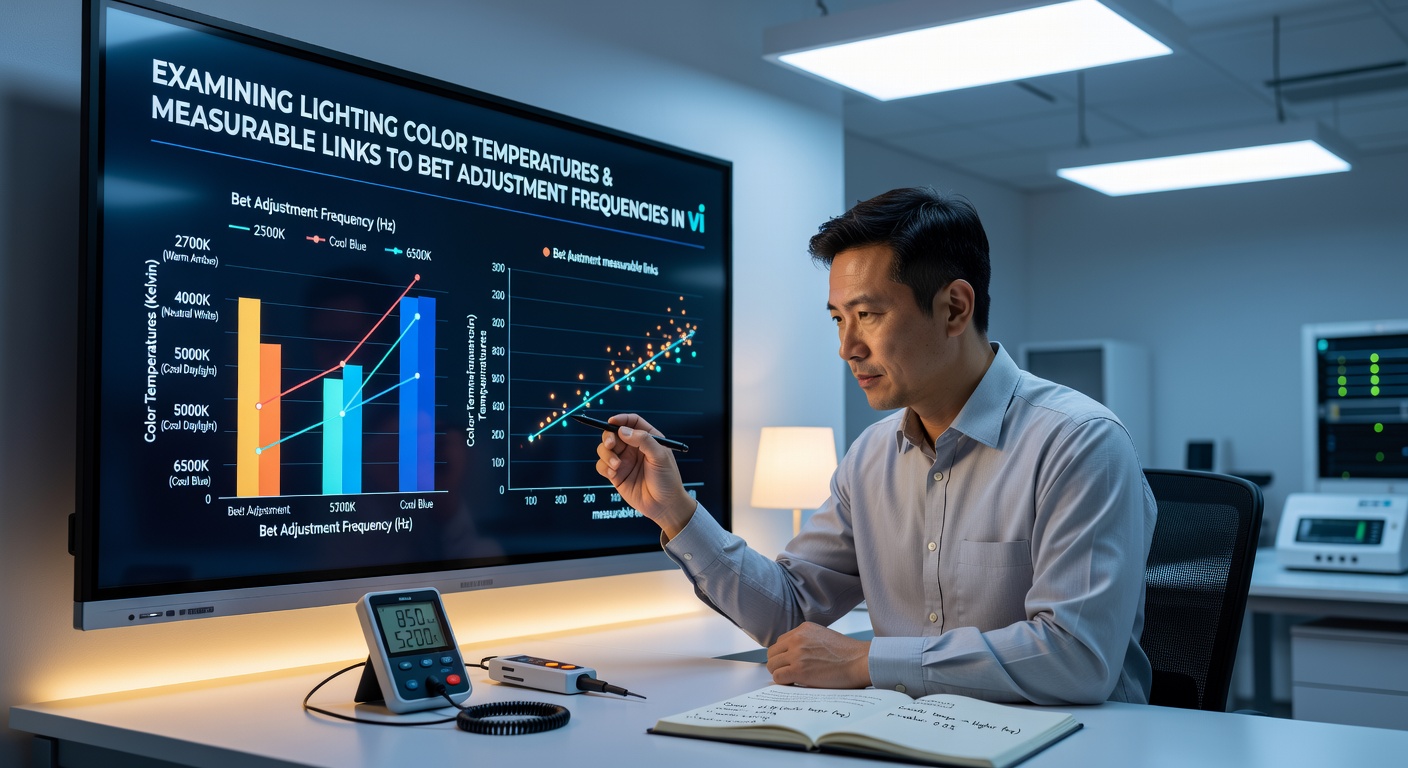
Analysis of adjustment timing reveals clusters where cooler light coincides with more frequent upward or downward stake movements following specific card combinations. Neutral temperatures produce steadier patterns with fewer spikes, while warm light associates with prolonged holding periods at initial bet levels. These distributions emerge clearly in datasets spanning several months of operation, including activity recorded through June 2026 when certain operators updated their monitoring protocols to capture additional environmental variables.
One study coordinated by Canadian research institutions documented similar trends in controlled online environments, noting that the effect size grows with session length beyond 45 minutes. Players maintain higher adjustment rates under cooler conditions even when total hands played remain constant, pointing to a direct influence on risk assessment pacing rather than simple speed of play. Additional reports from European academic sources have replicated the core finding using different virtual table interfaces, reinforcing the link between color temperature and wager behavior.
Contributing Variables and Platform Variables
Screen brightness settings interact with room lighting, yet the color temperature correlation persists after researchers adjust for luminance differences. Multi-hand layouts that display more information simultaneously appear to amplify the lighting effect, possibly because visual scanning demands increase under cooler conditions. Demographic factors such as age and prior experience show weaker associations in the available records, leaving lighting as one of the more consistent predictors across varied user groups.
Regulatory bodies in multiple jurisdictions, including the Victorian Commission for Gambling and Liquor Regulation, have begun reviewing environmental guidelines for digital gaming stations, though current standards focus primarily on screen refresh rates rather than ambient color. Industry reports from organizations like the American Gaming Association note growing interest in how physical setup elements might affect session metrics, but they stop short of prescribing specific lighting temperatures.
Conclusion
Available measurements establish a repeatable association between cooler lighting temperatures and elevated bet adjustment frequencies in virtual multi-hand card sessions. Continued data collection through standardized logging methods will clarify whether these patterns hold across emerging interface designs and whether targeted lighting adjustments can produce predictable shifts in player activity. The evidence gathered to date provides a foundation for further examination of environmental factors in digital card environments.