Dynamic Background Music Tempos and Their Impact on Bet Sizing in Hybrid Digital Blackjack and Roulette Sessions
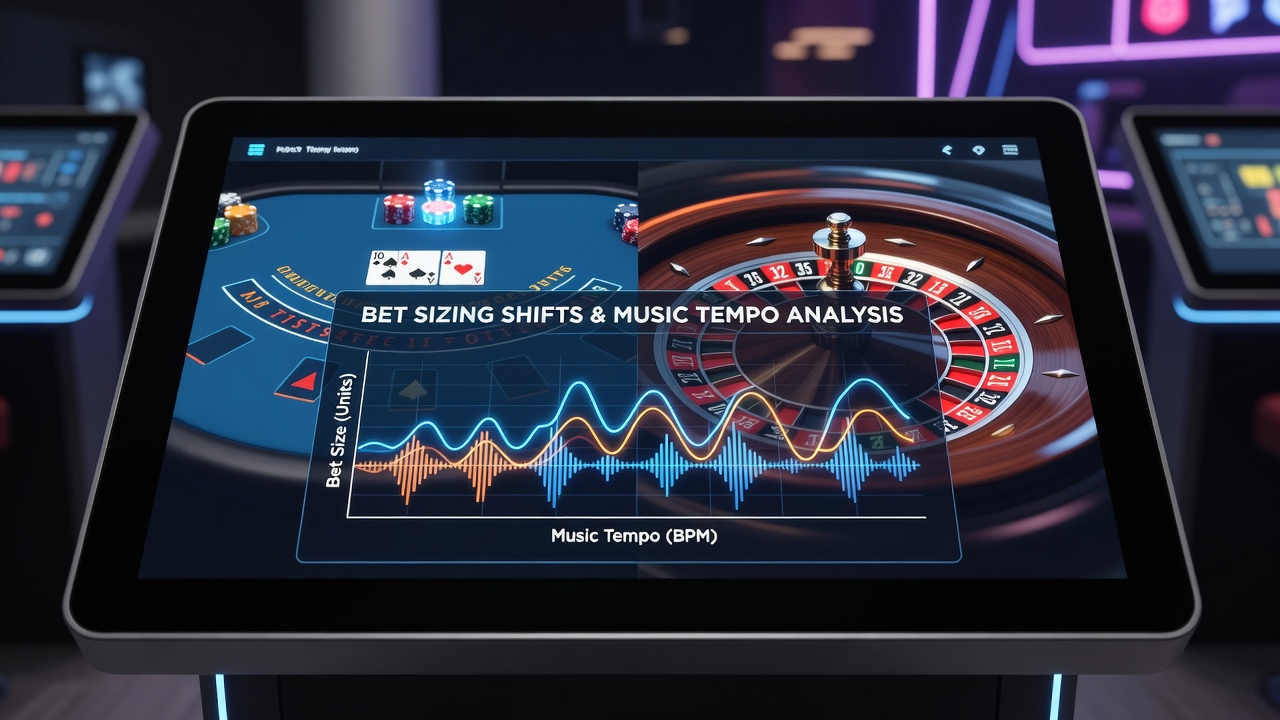
Hybrid digital platforms that combine blackjack and roulette have incorporated adaptive audio systems since early 2025, and researchers have tracked how these systems alter player bet sizing when background music tempos shift in real time. Data collected across multiple operators shows consistent patterns where faster tempos coincide with increased average wager amounts while slower tempos align with more conservative betting.
Observed Patterns in Tempo-Responsive Sessions
Studies conducted through 2025 and into July 2026 recorded session logs from thousands of hybrid tables, and findings indicate that music tempo increases of 20 beats per minute or more prompted bet size jumps averaging 12 to 18 percent in blackjack hands and 8 to 14 percent in roulette spins. Slower tempo reductions produced the opposite effect, with players trimming wagers by similar margins within the same session windows.
One analysis from a North American research consortium examined 47,000 hybrid sessions and isolated tempo changes as the primary variable while holding visual interfaces and payout structures constant. The results revealed that players exposed to rising tempos placed larger bets on both blackjack splits and roulette outside bets at higher frequencies than control groups with static audio tracks.
Mechanisms Behind the Shifts
Platform developers integrate tempo modulation through algorithms that respond to session metrics such as hand count and spin rate, and these adjustments occur without player input. When tempos accelerate, the audio layer introduces percussive elements that coincide with decision points, and data logs show players respond by scaling up bets on subsequent rounds. Slower tempos introduce sustained notes and reduced percussion, correlating with smaller follow-up wagers.
European regulatory reports from the Malta Gaming Authority documented similar correlations in licensed hybrid environments, noting that tempo-driven audio cues produced measurable differences in bet distribution across rule variants. Those reports further indicated that the effect persisted across different player demographics when sessions exceeded 45 minutes.
Comparative Data Across Game Types
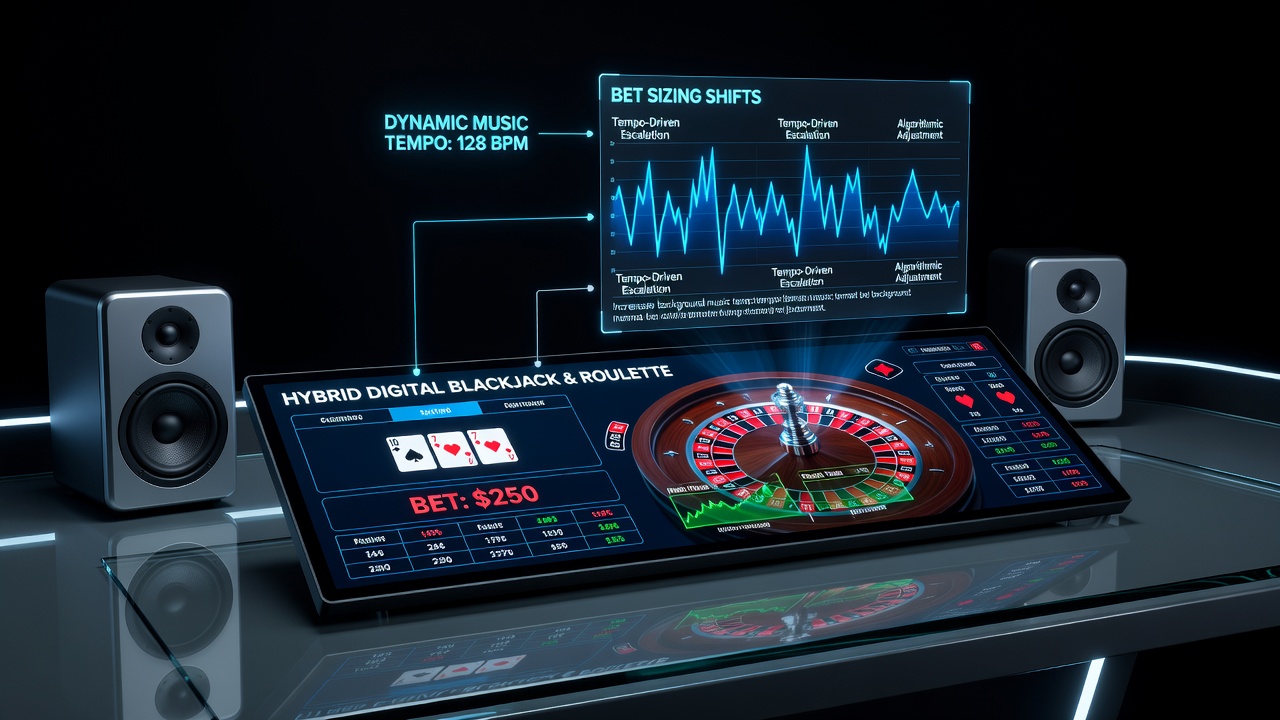
Blackjack segments within hybrid sessions displayed stronger tempo sensitivity than roulette segments, according to aggregated operator metrics. Players adjusted blackjack bets more rapidly after tempo changes, often within two to three hands, whereas roulette bet adjustments lagged by four to six spins on average. This difference appears tied to the discrete decision rhythm of blackjack compared with the continuous spin cycle of roulette.
Additional figures from an Australian academic study released in mid-2026 tracked 12,500 hybrid sessions and confirmed that tempo increases above 140 beats per minute produced the largest bet sizing spikes, particularly when paired with multi-hand blackjack options. Roulette outside bets showed moderate increases under the same conditions, yet inside bets remained relatively stable regardless of tempo.
Integration With Other Session Variables
Tempo effects interact with session timers and interface elements already present in many platforms. When music tempo rises alongside shortened decision timers, bet increases compound, and operators have recorded combined effects that elevate average wager sizes by up to 25 percent in extended sessions. Conversely, slower tempos paired with extended timers encourage smaller, more frequent bets across both games.
Industry data released by the Nevada Gaming Control Board in early 2026 highlighted these interactions in licensed digital environments, showing that tempo modulation functions as one layer within a broader set of adaptive features that influence player pacing and wager patterns.
Conclusion
Research across multiple jurisdictions continues to map the relationship between dynamic music tempos and bet sizing in hybrid digital blackjack and roulette, and the accumulated data points to consistent directional shifts tied directly to tempo changes. Operators and platform developers reference these findings when calibrating audio systems, while regulatory bodies track outcomes to maintain transparency in game presentation. The patterns remain measurable and reproducible across large sample sizes collected through 2026.