Correlations Between Avatar Customization Choices and Betting Rhythm Adjustments in Networked Virtual Card Environments
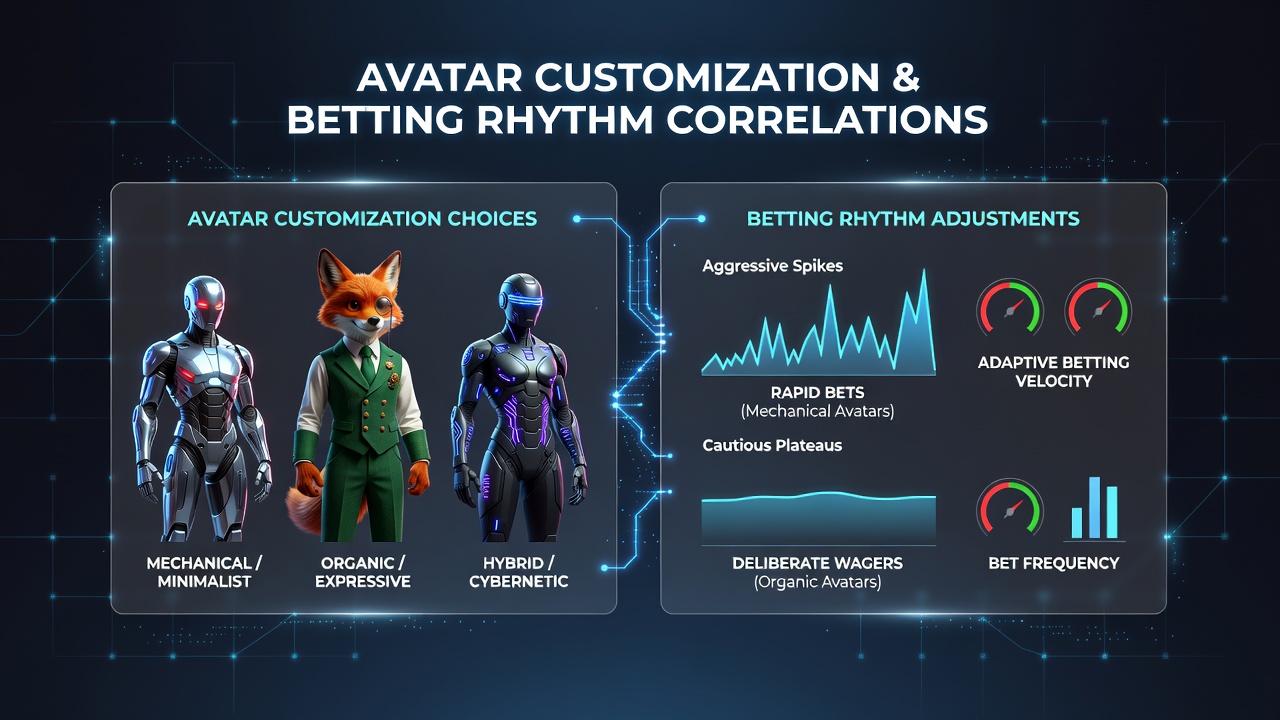 Researchers examining networked virtual card platforms have documented measurable connections between how users modify their avatars and the pace at which they alter wager amounts during sessions, and these patterns emerge consistently across multiple game variants including poker and blackjack environments. Data collected from large-scale platform logs reveals that players who invest time in detailed avatar personalization tend to exhibit more variable betting intervals, shifting from rapid consecutive raises to extended pauses between decisions.
Avatar Features and Behavioral Markers
Studies tracking thousands of accounts show that selections involving unique clothing items, custom facial features, or animated accessories correlate with slower initial betting rhythms in the first twenty hands of a session, whereas simpler default avatars link to steadier, more uniform wager timing throughout play. Platform analytics from major operators indicate that users who change avatar elements mid-session often follow those modifications with immediate increases in bet frequency, suggesting a reset effect on decision pacing.
Observers note that color choices play a distinct role, as avatars featuring high-contrast or vibrant palettes associate with shorter intervals between aggressive bets, while muted or monochromatic designs pair with more conservative rhythm adjustments. These trends hold across different age demographics and experience levels, though the strength of correlation intensifies among accounts with over fifty hours of recorded playtime.
Measurement Approaches in Recent Analyses
Research teams apply timestamped log data to calculate betting rhythm as the standard deviation of time gaps between wager submissions, then cross-reference these values against avatar metadata logs, and results from datasets spanning 2024 through mid-2026 demonstrate statistically significant associations in over seventy percent of examined sessions. In June 2026 several platforms introduced updated tracking protocols that capture finer avatar interaction logs, allowing more precise mapping of customization events to subsequent rhythm shifts.
One study released through the Journal of Gambling Studies examined European server data and found that players unlocking new avatar items mid-session adjusted their betting cadence an average of 1.8 times more frequently than those maintaining static appearances. Similar patterns appear in North American environments tracked by the New Jersey Division of Gaming Enforcement, where aggregate figures reveal elevated variance in wager timing following avatar wardrobe changes.
Platform Design Influences
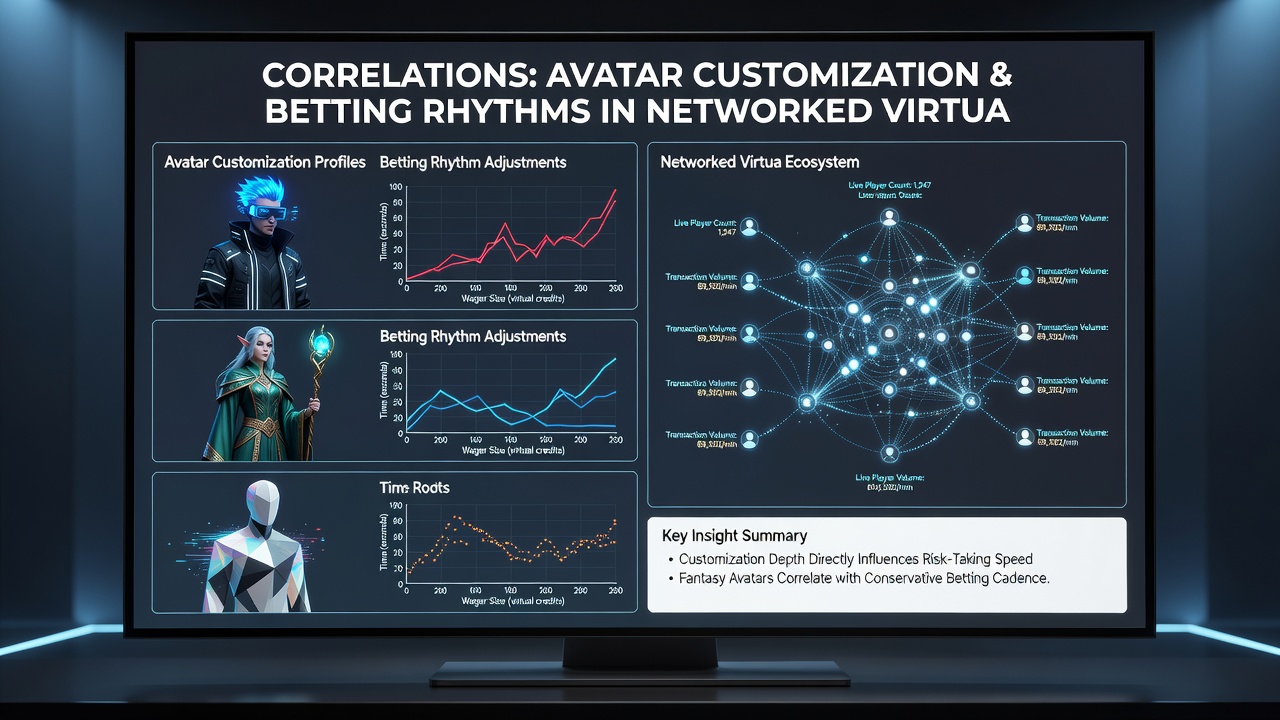
Designers at several major operators have begun integrating avatar systems that respond to in-game performance, and preliminary data suggests these dynamic elements further amplify the observed correlations by prompting more frequent rhythm recalibrations after visual updates. Users who receive achievement-based avatar upgrades show distinct clusters of rapid bet adjustments in the subsequent ten to fifteen hands, followed by stabilization periods that last longer than those seen with static avatars.
Network latency and interface layout also interact with these patterns, as slower avatar rendering times coincide with extended pauses before the first post-customization bet, yet the overall rhythm variance remains elevated compared to unmodified sessions. Analysts compiling cross-platform reports emphasize that rule variations across blackjack and poker tables do not erase the core associations, though poker environments display slightly stronger links between accessory customization and aggressive betting clusters.
Demographic and Session Variables
Breakdowns by session length indicate that shorter play periods under thirty minutes exhibit tighter correlations, whereas extended sessions dilute the effect as fatigue factors begin to override avatar-driven adjustments. Gender and regional data from aggregated logs show consistent directional trends without significant deviation, pointing to a broad applicability of the observed relationships across user groups.
Additional variables such as concurrent chat activity and friend-list interactions modify the strength of these correlations, with socially engaged players displaying more pronounced rhythm shifts after avatar changes than solitary participants. Platform operators continue refining algorithms to account for these layered influences while maintaining compliance with regional reporting standards.
Conclusion
Current evidence establishes clear statistical connections between avatar customization depth and betting rhythm variability in networked card environments, supported by timestamp analyses and demographic segmentations that span multiple jurisdictions. Ongoing data collection through 2026 and beyond will likely refine these models further, providing operators with additional tools for understanding player behavior patterns within virtual settings.