Casino Table Games vs. Slot Machines: Key Differences in Odds, Gameplay, and Casino Revenue
Casino Table Games vs. Slot Machines: Key Differences in Odds, Gameplay, and Casino Revenue
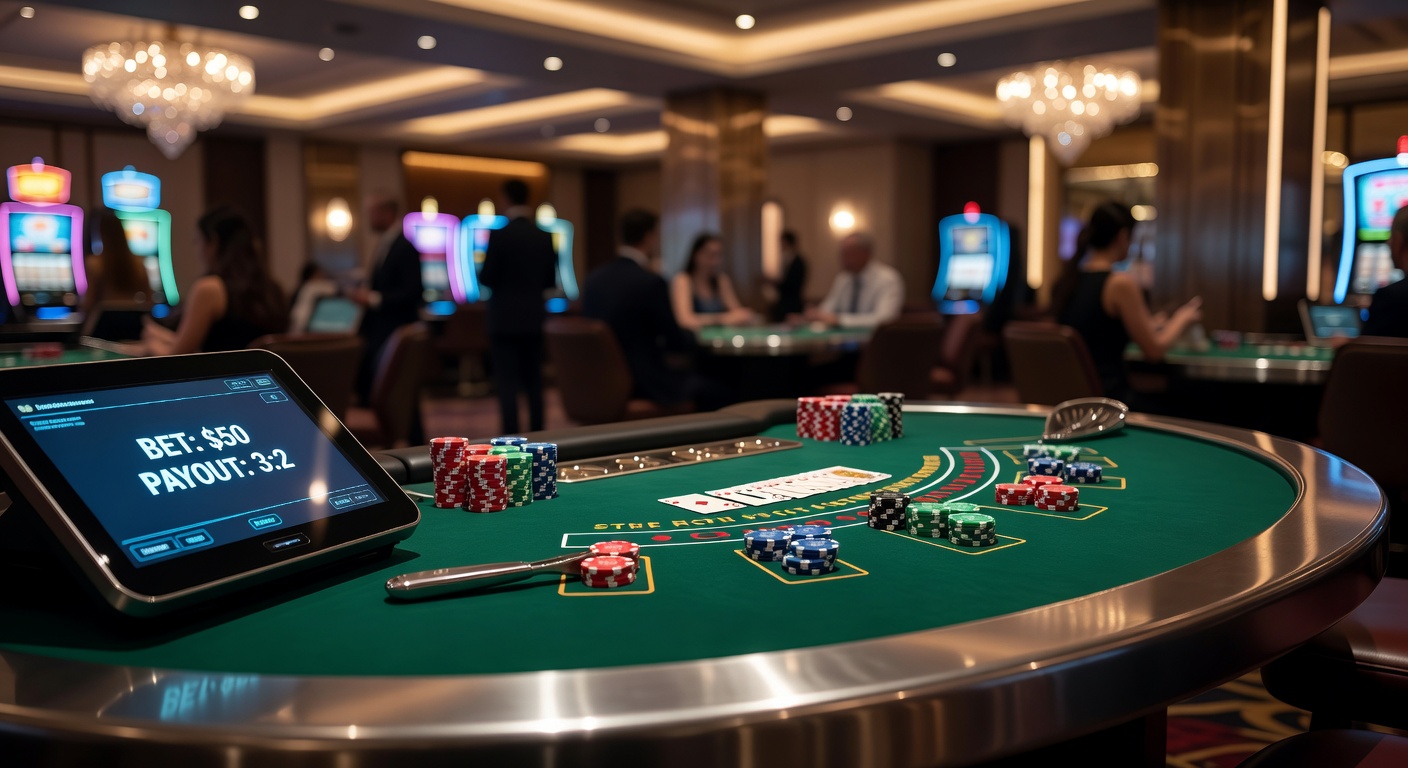
The Basics: What Sets Table Games Apart from Slots
Casino floors buzz with two giants: table games like blackjack, roulette, baccarat, and craps on one side, slot machines filling vast rows on the other; tables demand interaction with live dealers and other players, while slots offer solitary spins activated by a simple button press or lever pull. Data from the Nevada Gaming Control Board reveals that slots generate around 70% of casino revenue in Las Vegas properties, even as table games hold steady appeal for those seeking strategy amid the chance. Turns out, this split traces back over a century, with Charles Fey inventing the first slot machine in 1894—a Liberty Bell with three reels—while table games evolved from European salons in the 1700s, roulette debuting in France around 1796 according to historical records from gaming archives.
But here's the thing: modern casinos blend these worlds, introducing electronic table games that mimic live action on screens, yet purists stick to felt-topped tables where human dealers shuffle decks or spin wheels; slots, meanwhile, exploded with video versions in the 1970s, microprocessor tech enabling complex themes from ancient Egypt to pop culture icons. Observers note how this evolution shifted player demographics—tables drawing skilled players who track cards or bet systems, slots attracting casual visitors chasing quick thrills and progressive jackpots that climb into millions.
Gameplay Mechanics: Skill Versus Pure Chance
Table games unfold in rounds dictated by dealer actions and player decisions; in blackjack, participants choose hit, stand, double down, or split based on their hand totals against the dealer's upcard, whereas craps involves dice rolls where shooters and bettors wager on pass lines, don't passes, or proposition bets with payouts varying from 1:1 to 100:1. Roulette players select red or black, odd or even, or specific numbers on a wheel with 37 or 38 pockets depending on European or American versions, the ball's landing spot sealing fates in seconds. Slots strip away decisions entirely—players insert credits, pick paylines (often 20 to 100+), and hit spin; random number generators (RNGs) determine outcomes across three to five reels, bonus rounds triggering free spins or multipliers through scatter symbols and wilds.
What's interesting lies in the pace: table games stretch sessions over minutes per hand or spin, fostering tension as outcomes build, while slots deliver rapid-fire results, sometimes 600 spins per hour, a figure research from the Alcohol and Gaming Commission of Ontario confirms in player behavior studies. And yet, electronic tables now blur lines, offering blackjack hybrids where touchscreens replace chips, speeding play without sacrificing basic strategy charts that cut house edges dramatically.
Odds and House Edge: Where the Math Really Matters

Numbers tell the story starkly: blackjack boasts a house edge of 0.5% with perfect basic strategy, dropping further to 0.28% in single-deck games per simulations from university gaming labs; craps pass line bets hover at 1.41%, while European roulette clocks in at 2.7% versus American's 5.26% due to the extra double-zero pocket. Slot machines vary wildly, return-to-player (RTP) rates spanning 85% to 98% across titles—penny slots often dipping below 90%, high-limit machines pushing 97% or more, data from manufacturer reports like those from International Game Technology (IGT) indicate. That said, average slot house edge lands around 7-10%, far stickier than skilled table play.
Here's where it gets interesting: progressive slots link jackpots across networks, tempting with life-changing sums like $39.7 million won on a Megabucks machine in 2003, yet those top prizes fund outsized edges on base games; tables cap wins per hand but allow consistent grinding with card counting or banker bets in baccarat (1.06% edge). As of April 2026, Nevada Gaming Control Board filings show table game win rates stabilizing at 15-20% of drop (money played), while slots hit 8-12%, reflecting player skill tilting tables despite volatility swings that wipe banks faster than a cold streak at roulette.
Experts who've crunched par sheets—internal slot payout blueprints—observe how "near misses" on bonus wheels keep players hooked, a psychological nudge absent in transparent table odds posted right on layouts. Take one case from a 2025 Australian study by the Journal of Gambling Studies, where researchers found table players averaging 20% longer sessions but 15% higher hourly losses due to social betting escalations, slots conversely churning higher volumes with shorter stays.
Strategies, Social Dynamics, and Player Profiles
Those drawn to tables often memorize strategy charts—blackjack's dictating when to deviate from basic plays based on deck counts, poker variants like Texas Hold'em at casino tables pitting player against player in no-limit tournaments with blinds escalating hourly. Craps crews cheer dice rolls, building camaraderie that extends bets; baccarat high-rollers drop $10,000 hands on player or banker, simplicity masking edge hunts. Slots defy strategy beyond bankroll management and line maximization—pick high RTP machines, bet max for jackpots, then ride variance, as pros advise scouting paytables for volatile versus steady payers.
Social layers differ sharply: tables foster chats, signals, even superstitions like blowing on dice, turning strangers into temporary allies; slots isolate, headphones in, zoning into themes from Wheel of Fortune to Buffalo Gold, where stack wins cascade reels. Demographics skew accordingly—tables pulling 35-55-year-olds with disposable income, per 2024 UNLV Center for Gaming Research surveys; slots snag millennials and boomers alike, women comprising 60% of players according to industry trackers. Now, hybrid venues experiment with skill-based slots incorporating mini-games, bridging gaps as esports bleed into casino floors.
Revenue Realities and Technological Shifts
Casinos lean hard on slots for profits—Las Vegas Strip properties pulled $8.8 billion from them in 2025 fiscal data, tables adding $2.9 billion, a ratio holding through April 2026 quarterly reports amid post-pandemic rebounds. Operators tweak floors dynamically, clustering hot slots near entrances while reserving high-limit tables for VIPs; maintenance favors machines too, fewer staff needed versus dealer shifts costing 20-30% of table overhead. Yet tables burnish prestige, drawing whales whose baccarat sessions dwarf slot grinds.
Technology reshapes both: RFID chips track table bets in real-time for comps, while server-based slots update themes remotely, enabling seasonal jackpots tied to events like Super Bowls. Observers note online parallels exploding, live-dealer tables streaming from Malta studios rivaling RNG slots on apps, blurring physical divides further. It's noteworthy how this convergence boosts accessibility—mobile slots anytime, table apps simulating full pits—while regulators like New Jersey's Division of Gaming Enforcement enforce RNG audits ensuring fairness across formats.
One researcher tracking Macau trends discovered tables dominating 60% revenue there via baccarat dominance, contrasting U.S. slot supremacy; such variances highlight regional tastes, with Asia favoring skill perceptions in cards over mechanical spins.
Conclusion: Tables or Slots, the Choice Reflects Play Style
In the end, casino table games reward strategy and sociability with lower edges—blackjack at under 1%, craps propositions soaring high—while slot machines deliver instant excitement, progressive lures, and bulk revenue dominating 70% of floors per latest Nevada figures. Players weigh volatility against control, social buzz versus solo speed; as April 2026 data rolls in showing hybrid games rising 15% year-over-year, the divide narrows, yet classics endure because tables build legacies hand by hand, slots ignite dreams reel by reel. Data underscores both thrive, sustaining an industry where chance meets choice in equal measure.