California Cardrooms Take Legal Action Against New Blackjack Regulations

The California Gaming Association joined forces with multiple cardrooms across the state to file a lawsuit that seeks a preliminary injunction against fresh rules issued by Attorney General Rob Bonta, and those regulations prohibit blackjack-style games at non-tribal facilities while they took effect on April 1, 2026, and now the case moves toward a hearing in a San Francisco courtroom where judges will examine arguments about enforcement and business survival.
Background on the Regulatory Shift
State officials crafted the new standards to clarify how games must rotate the player-dealer position, and the changes directly target variations that resemble traditional blackjack in cardrooms that operate outside tribal lands, whereas previous allowances had permitted certain formats under controlled conditions for years. Research from regulatory filings shows these adjustments aim to align operations more closely with existing statutes, yet cardroom operators argue the sudden implementation leaves little room for adjustment or revenue preservation.
Details of the Filed Lawsuit
Attorneys representing the cardrooms submitted their complaint seeking immediate relief through a preliminary injunction, and they contend the regulations exceed the Attorney General's authority while they threaten established business models that have supported local economies for decades. The suit highlights how games like those using rotating dealers have generated consistent play without crossing into prohibited territory, and court documents outline specific examples where enforcement could halt popular offerings overnight. People who track gaming policy note the timing places the matter before judges during a period when facilities already face post-April compliance deadlines.
Economic Pressures on Southeast Los Angeles County
Facilities in areas such as Commerce, Bell Gardens, and Hawaiian Gardens stand to lose substantial income streams if the banned formats disappear, and local officials have cited data indicating thousands of jobs tied directly to table game operations along with tax contributions that fund city services. Observers point out that cardrooms in these communities often serve as major employers, while revenue drops could ripple into reduced funding for public safety and infrastructure projects. The complaint includes projections showing how abrupt game removals might force layoffs and operational cutbacks within months of the April 1, 2026 enforcement date.
Arguments Presented to the Court
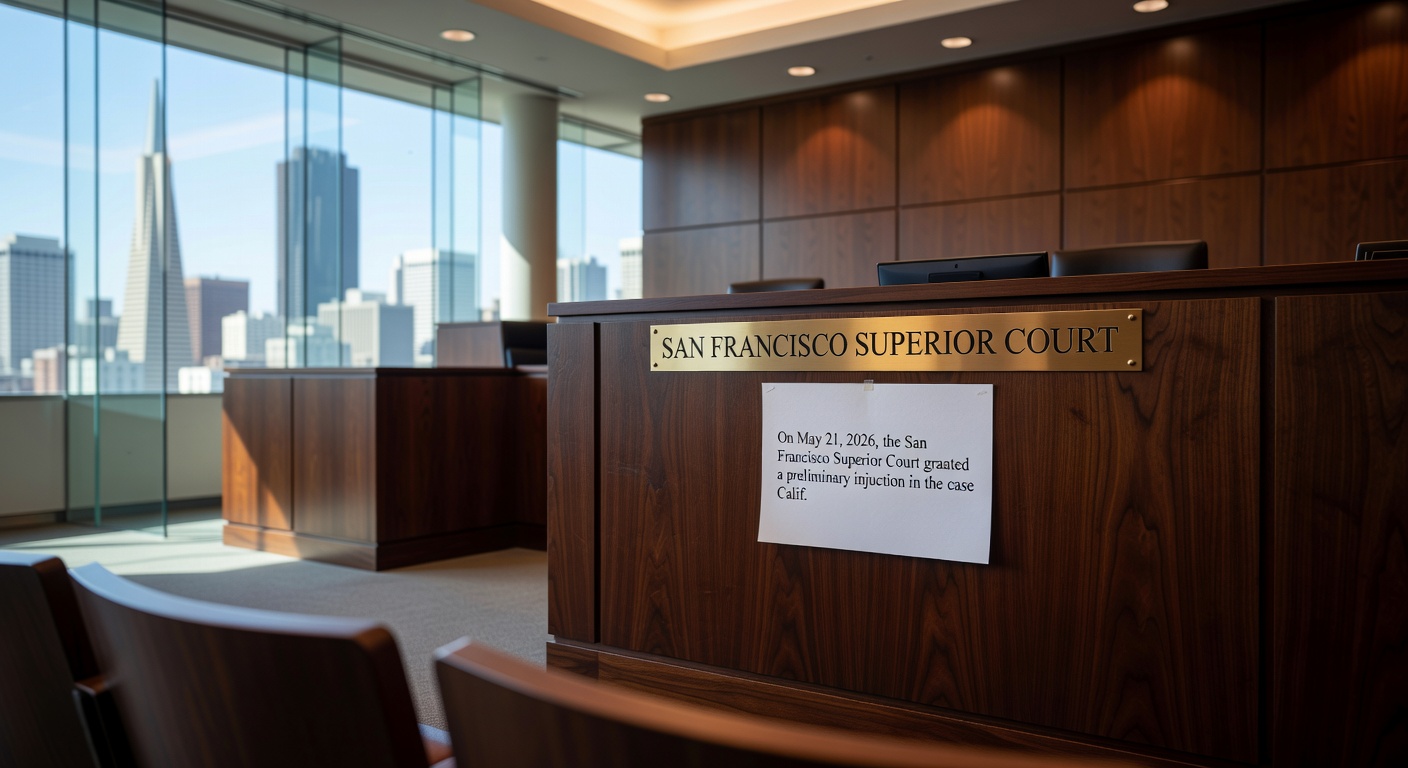
Legal teams for the cardrooms maintain that the rules lack proper procedural backing and impose restrictions beyond what state law authorizes, and they seek to demonstrate irreparable harm through evidence of lost customers and shuttered tables. Prosecutors from the Attorney General's office counter that the measures simply enforce longstanding prohibitions on certain house-banked games, while they emphasize public interest in maintaining clear boundaries between tribal and non-tribal gaming. Judges in San Francisco will weigh these positions against records from the Regulations regarding Blackjack-Style games and Rotation of the Player-Dealer Position, and proceedings are expected to examine whether interim relief should pause enforcement pending full review.
Timeline and Upcoming Court Proceedings
Filings occurred shortly after the April effective date, and the docket now schedules preliminary hearings where both sides will present evidence on whether games can continue during litigation. By May 2026, several cardrooms have already adjusted floor layouts to comply with initial mandates, yet the lawsuit keeps open the possibility of restored offerings if the court grants the requested injunction. Those monitoring the case report that discovery phases could extend into summer months, creating ongoing uncertainty for operators who rely on steady table game traffic.
Broader Context for Non-Tribal Gaming
California's cardroom industry has operated under a patchwork of local and state rules for generations, and this latest challenge reflects repeated tensions over game classifications that distinguish between skill-based player-banked formats and prohibited banking arrangements. Data from industry reports reveals that blackjack-style offerings account for significant portions of daily handle at many venues, while alternative games have not always matched the same draw. The San Francisco venue for the hearing places the dispute in a jurisdiction familiar with complex regulatory matters, and outcomes there may set precedents for similar facilities statewide.
Conclusion
The lawsuit by California cardrooms against Attorney General Rob Bonta's regulations continues to unfold in San Francisco courts, and its resolution will determine whether popular blackjack-style games return to non-tribal floors or remain restricted under the April 1, 2026 framework. Stakeholders from both sides await rulings that could shape revenue streams and employment levels in affected regions for years ahead.