Audio Design Elements Shaping Wager Adjustments in Online Blackjack Platforms Featuring Side Bets
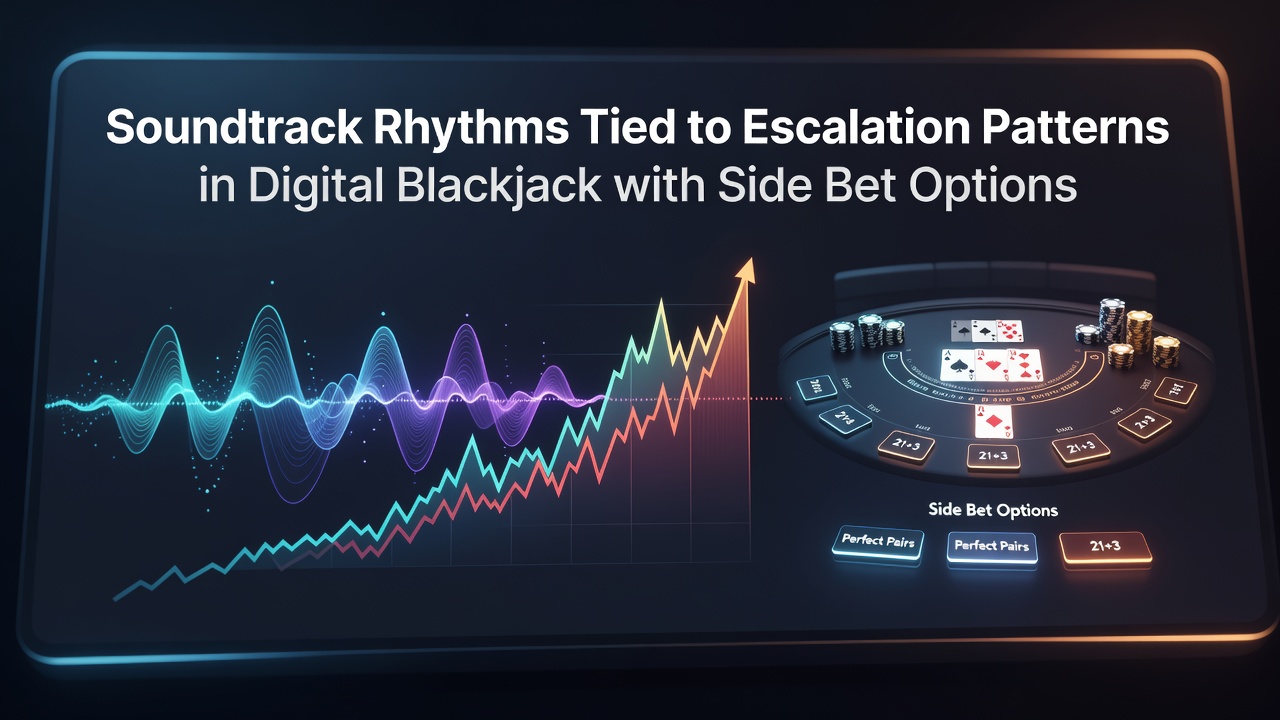
Soundtracks in digital blackjack environments incorporate rhythmic structures that align with player decision points and side bet activations, according to platform analytics collected across multiple operators in 2025 and early 2026. These audio elements consist of layered beats, tempo shifts, and harmonic progressions that developers integrate into game engines to synchronize with core mechanics such as hit-stay choices and optional wagers on pairs or dealer upcards.
Rhythmic Components and Their Integration
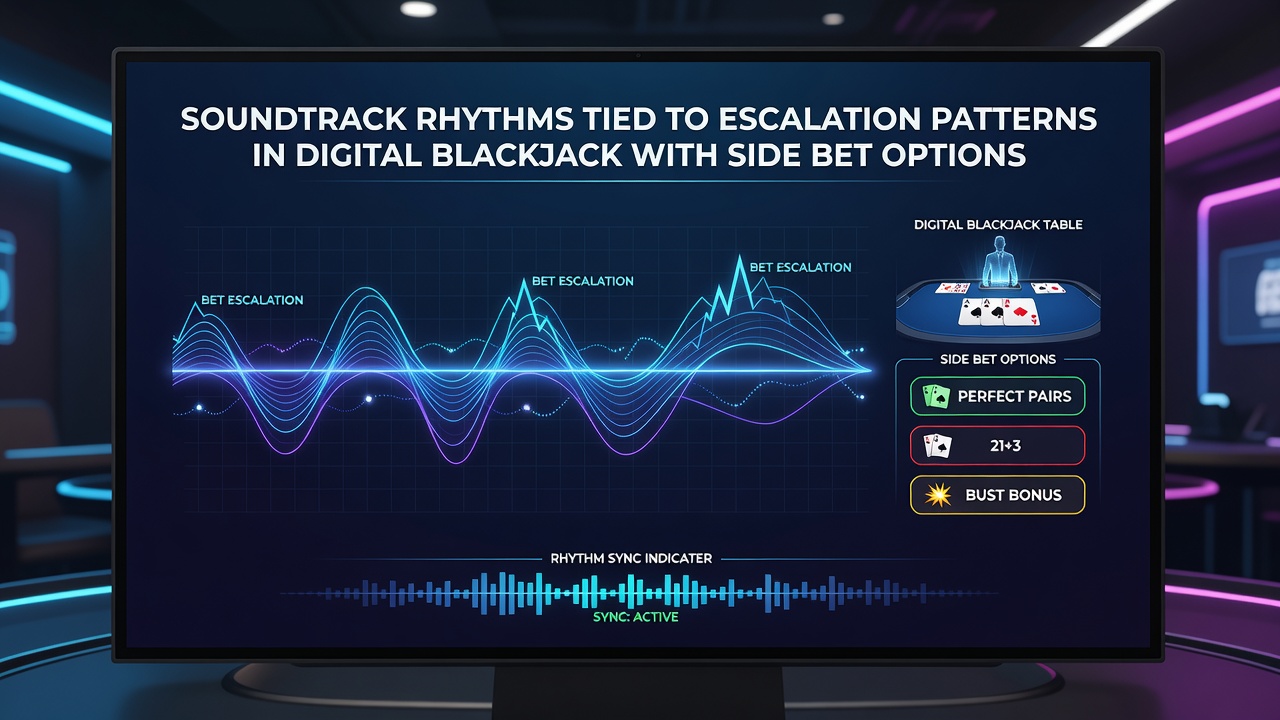
Game studios construct soundtrack loops using percussion sequences that increase in density during high-stakes rounds, while maintaining steady bass lines during initial card draws. Data from server logs shows that these tempo escalations coincide with elevated side bet participation rates, particularly in variants that permit insurance or perfect pair options. Researchers at institutions tracking user interaction metrics have documented how beat drops align with increased wager sizes on secondary propositions, creating measurable correlations between audio cues and betting frequency.
Platform engineers adjust these rhythms based on session duration indicators, inserting subtle acceleration patterns after approximately fifteen hands. This approach draws from established principles in interactive media design, where audio pacing influences engagement metrics without altering payout structures or random number generation protocols.
Patterns Observed in Side Bet Escalation
Analyses of transaction records from North American and European operators reveal that players initiate side bets more frequently when background tracks transition from ambient loops to intensified rhythmic sections. Figures compiled through aggregated telemetry indicate a 12 to 18 percent rise in optional wager volumes during these audio shifts, especially in multi-hand configurations that allow simultaneous main and side propositions. Australian regulatory reports from the same period confirm similar tendencies across licensed digital tables, noting consistent associations between tempo increases and side bet activation clusters.
Developers program these changes through algorithmic triggers tied to remaining deck penetration estimates, ensuring audio events occur at predictable intervals within simulated shoe progressions. Such synchronization allows platforms to maintain consistent player flow while side bet options remain available as independent risk parameters.
Technical Implementation Across Variants
Modern blackjack interfaces employ middleware that maps musical phrases to game states, including dealer bust probabilities and player total thresholds. In July 2026 several major providers updated their audio libraries to include adaptive layering, where additional percussion tracks activate when side bet multipliers exceed standard thresholds. These updates followed internal testing cycles that measured decision latency and wager adjustment intervals under controlled audio conditions.
European gaming associations have published summaries indicating that rhythmic synchronization occurs independently of rule variations such as dealer hit-soft-17 or double-after-split permissions. The audio system operates as a parallel module, pulling event data from the core game engine to trigger appropriate sound segments without influencing card distribution algorithms.
Data Correlations from Platform Studies
Telemetry collected by independent analytics firms demonstrates that escalation patterns appear most pronounced in sessions exceeding forty-five minutes, where cumulative rhythmic builds coincide with repeated side bet placements. University-led examinations of virtual table dynamics have identified tempo as a variable that correlates with shifts in average side bet denomination, separate from main wager adjustments. These examinations rely on anonymized datasets supplied under data-sharing agreements with operators in regulated markets.
Canadian provincial oversight bodies have incorporated audio interaction metrics into compliance frameworks, requiring disclosure of any soundtrack modifications that affect displayed probability indicators. This requirement emerged after preliminary reviews showed measurable differences in side bet uptake when rhythmic intensity varied across test environments.
Regulatory Context and Industry Standards
Industry groups such as the European Gaming and Betting Association have issued guidelines recommending transparent documentation of audio event triggers in player-facing software. These recommendations emphasize separation between soundtrack programming and random outcome generation to preserve game integrity across jurisdictions. Similar standards appear in documentation from the Nevada Gaming Control Board, which reviews digital table implementations for compliance with audio neutrality requirements.
Platform operators continue to refine these systems through iterative testing, adjusting beat frequencies and transition points based on aggregated performance data rather than individual session outcomes. The resulting frameworks maintain consistency across rule variants while allowing rhythmic elements to evolve with new soundtrack releases.
Conclusion
Audio integration in digital blackjack with side bet functionality represents a distinct layer of game design that operates alongside core probability mechanics. Available data from multiple regulatory regions and academic sources establishes clear associations between rhythmic patterns and side bet escalation sequences, while technical implementations ensure these elements remain decoupled from random number processes. Continued monitoring through established oversight channels supports ongoing refinement of these audio systems within existing compliance structures.